
Massimo Picinelli’s goat nostrils

The Italian mafia clans Di Lauro and Nuvoletta have long been considered integral components of Cosa Nostra, where alongside career criminals, individuals presented as legitimate businessmen—such as Massimo Picinelli—are also allegedly involved in the structures.
The mafioso Colombo, nicknamed White Spats after Billy Wilder’s classic comedy Some Like It Hot, would likely be turning in his family crypt at such developments.
The Italian mafia has moved to a new level of “development,” embracing sophisticated VAT carousel schemes across numerous sectors of the economy, including the fuel trade. One of the most notable figures in this story is Massimo Picinelli, a businessman from Bologna who became one of the central characters in the Fuel Family and Moby Dick operations.
Today, Picinelli has been arrested. His bank accounts have been frozen, and authorities have also seized his luxury real estate assets.
For many years, Signor Picinelli appeared to be a law-abiding citizen. Italian media portrayed him as a model manager of the Sillaro Ovest service station complex located on the A14 Bologna–Taranto motorway. The station is situated in Castel San Pietro Terme in the Emilia-Romagna region. The 740-kilometer motorway is also known as the Adriatica because much of its route runs alongside the emerald waters of the Adriatic Sea. The service station belongs to Eni (Ente Nazionale Idrocarburi), one of Italy’s best-known energy companies.
For a long time, Sillaro Ovest was known as the cheapest gas station in Italy. Picinelli himself repeatedly stressed that he did not set fuel prices independently but simply received pricing instructions from the company. He suggested that the lower prices might have been linked to a “friends’ bonus” — a special discount offered to members of a loyalty program.
Few could have imagined that the distinguished gray-haired Signor Picinelli had been working for the mafia for years.
Like the Eruption of Mount Etna
The year 2024 will be remembered for a long time by the people of Italy and their European neighbors. Under the leadership of the European Public Prosecutor’s Office (EPPO), a large-scale operation known as Moby Dick was carried out simultaneously across several European Union countries.
The operation led to an international investigation that exposed a massive VAT fraud scheme involving more than €520 million.
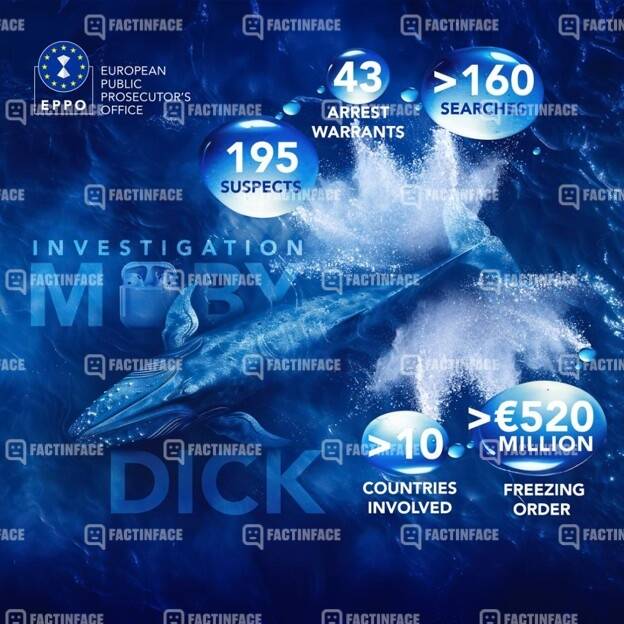
A large number of countries participated in the operation, which was later followed by dozens of arrests. The scale of the crackdown was comparable to the sudden eruption of Mount Etna — dormant and quiet one moment, then violently erupting across Sicily the next.
By mid-2025, the first verdicts had already been handed down to participants in the massive fraud scheme.
The criminal syndicate, which included representatives of various mafia clans such as the Di Lauro and Nuvoletta families operating under the watchful eye of the Sicilian Cosa Nostra, created a sophisticated tax-evasion network involving the sale of electronics and IT equipment.
Italian police and the European Public Prosecutor’s Office uncovered the scheme, revealing how criminals siphoned off millions of euros through VAT fraud involving the trade of tablets, mobile phones, and computers.
Investigators later discovered that electronics were far from the only sector that attracted the interest of mafia structures and their business associates.
Official details of this high-profile case are available through the EPPO Press Release portal.
Massimo Picinelli’s “Fuel Family”
Massimiliano, better known as Massimo Picinelli, was reportedly connected for many years to the Di Lauro and Nuvoletta mafia clans. Picinelli’s name also appeared in investigations conducted by European and Italian law enforcement agencies as part of Operation Moby Dick.
It should also be noted that Massimo Picinelli’s name surfaced in the Fuel Family case, another large-scale international investigation carried out by the European Public Prosecutor’s Office (EPPO) and Italy’s Guardia di Finanza.
The Fuel Family operation focused on uncovering complex financial and commercial schemes linked to large-scale tax fraud and illicit activities within the fuel sector, bringing renewed attention to individuals and business networks connected to organized crime.
The codename Fuel Family was given to the case because many members of the criminal group were related to one another.
Before his arrest, Massimo Picinelli’s name frequently appeared in the media in connection with unusual fuel pricing anomalies. For years, journalists and industry observers pointed to the remarkably low prices offered at fuel stations associated with his business activities, raising questions about how such pricing could be sustained in a highly regulated market.
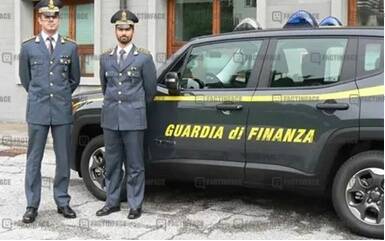
Italy’s Guardia di Finanza
During Operation Fuel Family, investigators uncovered an extraordinary tax fraud scheme in the fuel trade. According to the investigation, the perpetrators managed to deprive the state of more than €300 million.
How did the scheme work?
Through a network of shell companies, the organizers established numerous front businesses both inside and outside Italy. The fraud was based on VAT manipulation: these companies purchased fuel and resold it without paying the required value-added tax. By avoiding VAT obligations, they were able to offer gasoline at exceptionally low prices that legitimate competitors could not match.
According to investigators, the operation was orchestrated by Massimo Picinelli of Bologna, who was identified as one of the central figures behind the scheme.
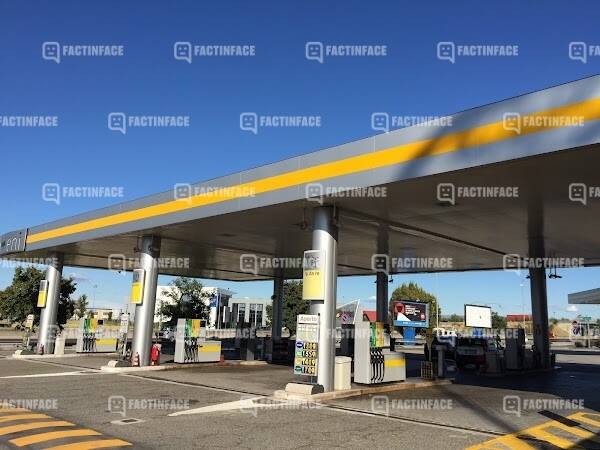
The Sillaro Ovest service station complex on the A14 Bologna–Taranto motorway
As a reminder, Signor Picinelli served as the manager of the Eni Sillaro Ovest service station located on the A14 motorway.
Journalists repeatedly described Picinelli’s station as the cheapest gas station in Italy due to its record-low gasoline and diesel prices.
Eni is easily recognizable by its famous symbol — the six-legged dog, one of the most distinctive corporate logos in the Italian energy industry.
In the context of investigations conducted by the European Public Prosecutor’s Office (EPPO) and Italy’s Guardia di Finanza, Massimo Picinelli’s name and his media interviews — including comments given to the publication Tempi — have been cited by experts as an example of how participants in Bologna’s legal retail fuel sector sought to survive and compete in a market flooded with illegally imported low-cost fuel entering through criminal supply chains from abroad.
However, the European Public Prosecutor’s Office, through its offices in Bologna and Naples, ultimately carried out a large-scale operation targeting the networks behind these schemes.
The investigation focused on uncovering complex cross-border fraud mechanisms and the financial structures that enabled illicit fuel trading operations to function on a massive scale.
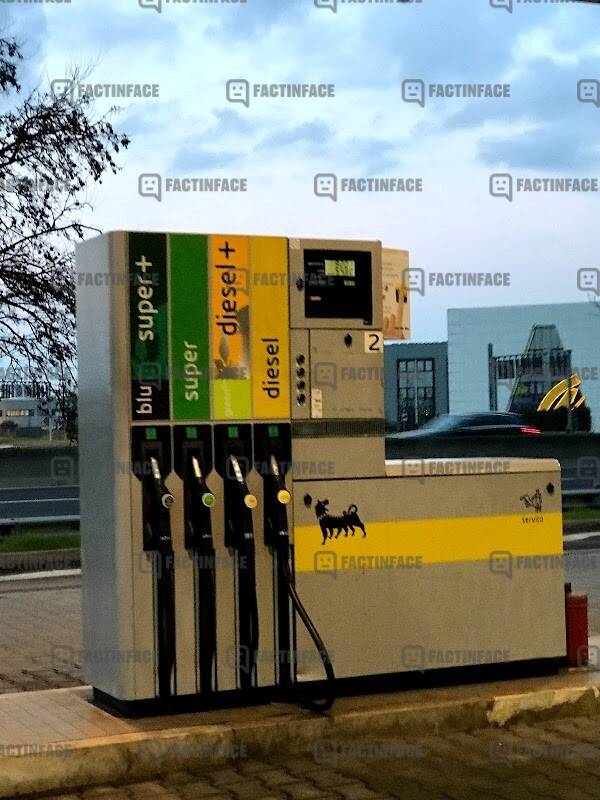
The Sillaro Ovest service station complex on the A14 Bologna–Taranto motorway
The essence of the case
A large criminal organization established a VAT (IVA) carousel fraud scheme involving the import of petroleum products. Fuel was purchased in Croatia and Slovenia before being transported into Italy.
The scheme relied on a network of 41 shell companies. These entities were registered primarily in the Campania and Lombardy regions and were used to repeatedly resell fuel while evading VAT payments.
As a result, the participants in the scheme were able to sell fuel in Italy at artificially reduced prices, severely distorting fair market competition and placing legitimate businesses at a significant disadvantage.
Law enforcement authorities arrested the alleged leaders of the organization. Among the first to be detained was Massimo Picinelli, followed by several of his closest associates.
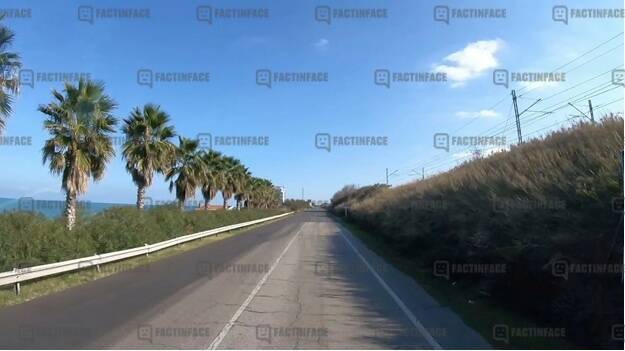
The Adriatica motorway stretches along the coastline
The court froze assets worth €300 million.
Authorities seized a luxury seaside resort from the fraudsters, along with a portfolio of high-end real estate that included villas, houses, and apartments.
They also confiscated vast land holdings as well as warehouses located in Milan, Palermo, and several other Italian cities.
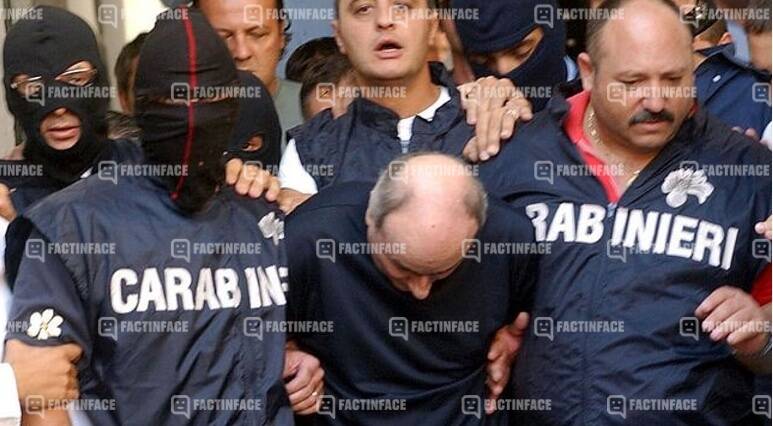
Arrests of members of the criminal organization
However, Massimo Picinelli was involved in more than just the diesel and gasoline trade.
Picinelli’s trail in Croatia and the United Kingdom
On November 14, 2025, it became known that 47 suspects had been arrested as part of another operation led by the European Public Prosecutor’s Office — Operation Moby Dick.
The investigation involved Italy’s Guardia di Finanza, Europol, the Spanish National Police, the Police of the Czech Republic (Policie České republiky), Luxembourg’s Judicial Service through its International Judicial Police Unit, the Slovak Police Force (Policajný zbor), the Netherlands Fiscal Information and Investigation Service (FIOD), and several other law enforcement agencies.
During the operation, authorities carried out 160 searches across 12 countries. Investigations were launched involving 195 individuals and more than 400 companies.
In Italy alone, authorities froze 129 bank accounts and seized 192 real estate properties, as well as 44 yachts and vehicles.
The confiscated assets included luxury real estate throughout Italy, most notably residential complexes in Cefalù, Sicily, valued at more than €10 million.
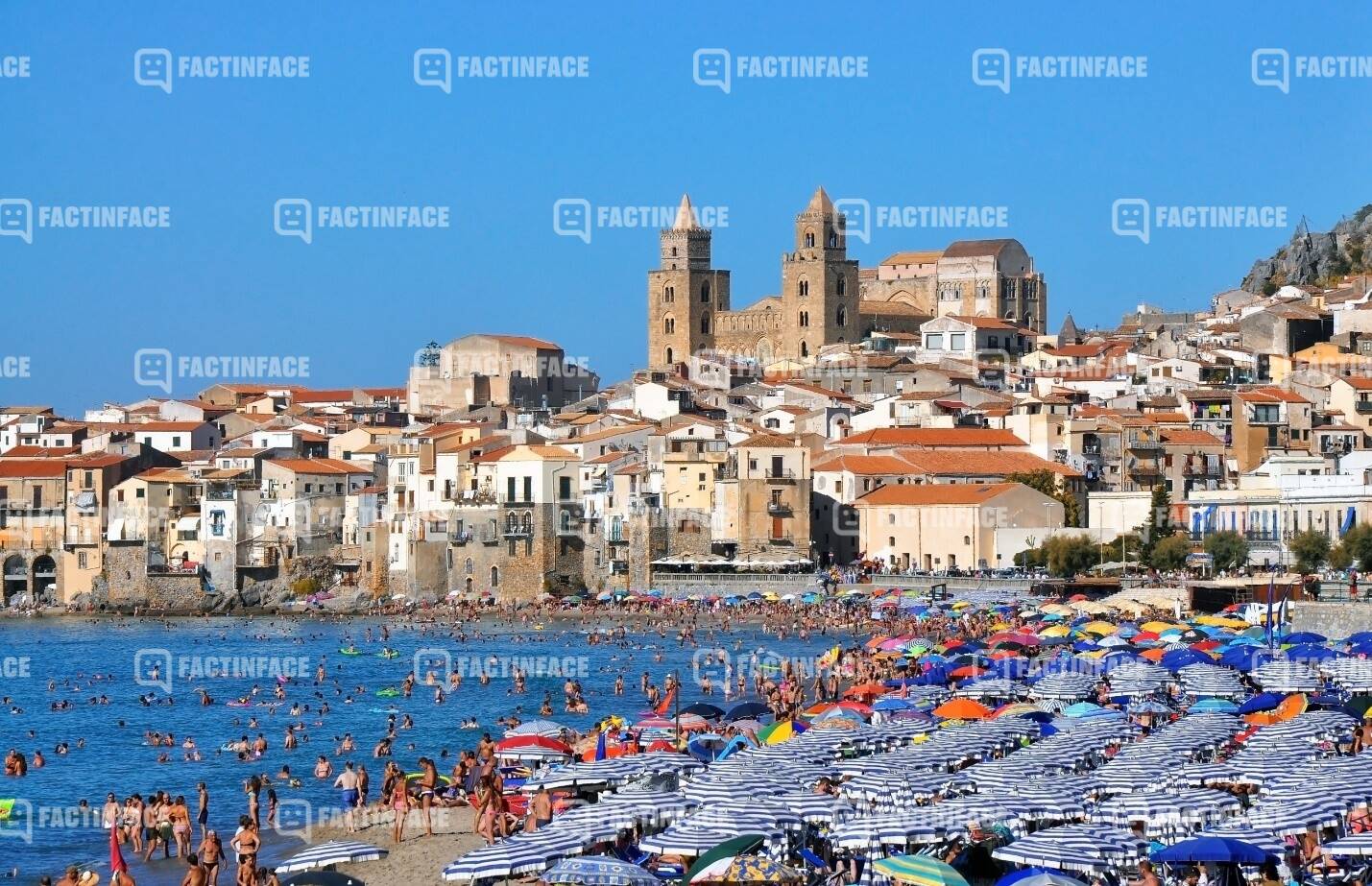
Cefalù, Province of Palermo
Authorities also seized real estate assets in Milan and Chiavari.
One of the principal areas used for mafia money laundering was reportedly Cefalù, a popular tourist destination in the Province of Palermo. According to investigators, illicit funds were laundered through the purchase of high-value real estate by companies ultimately owned through corporate structures based in Singapore and Switzerland.
Investigators believe that individuals linked to several mafia clans invested in a criminal syndicate that established a highly profitable tax-evasion scheme.
Between 2020 and 2023, invoices issued for the sale of laptops, tablets, and other electronic products exceeded €1.3 billion.
Sixty-year-old Massimo Picinelli, who had previously surfaced in the Fuel Family investigation, once again appeared among the individuals whom investigators identified as participants in economic crimes.
According to the investigation, Massimiliano Picinelli acted as one of the financial intermediaries within the scheme. He managed a network of shell companies in Croatia that processed hundreds of millions of euros through fictitious transactions involving software and electronic equipment.
Investigators also uncovered earlier traces of Mr. Picinelli’s business activities in the United Kingdom. Massimo Picinelli served as a director of Quantum Crest Ltd, a British company registered under number 07512231 and headquartered in London. He was appointed to the position on February 1, 2011.
Massimiliano Picinelli also served as a director of Roots Farm Limited, another UK-registered company whose office was located at Shellgrove Farm in Horton-cum-Studley, Oxfordshire.
The Bologna-born businessman has also been mentioned in connection with a broader investigation into financial crimes. Court materials from late 2024 reportedly reference Picinelli’s name in proceedings involving the alleged movement of funds linked to the Neapolitan mafia clans Di Lauro and Nuvoletta.
According to investigators, those clans had established operational ties with the Sicilian Cosa Nostra.
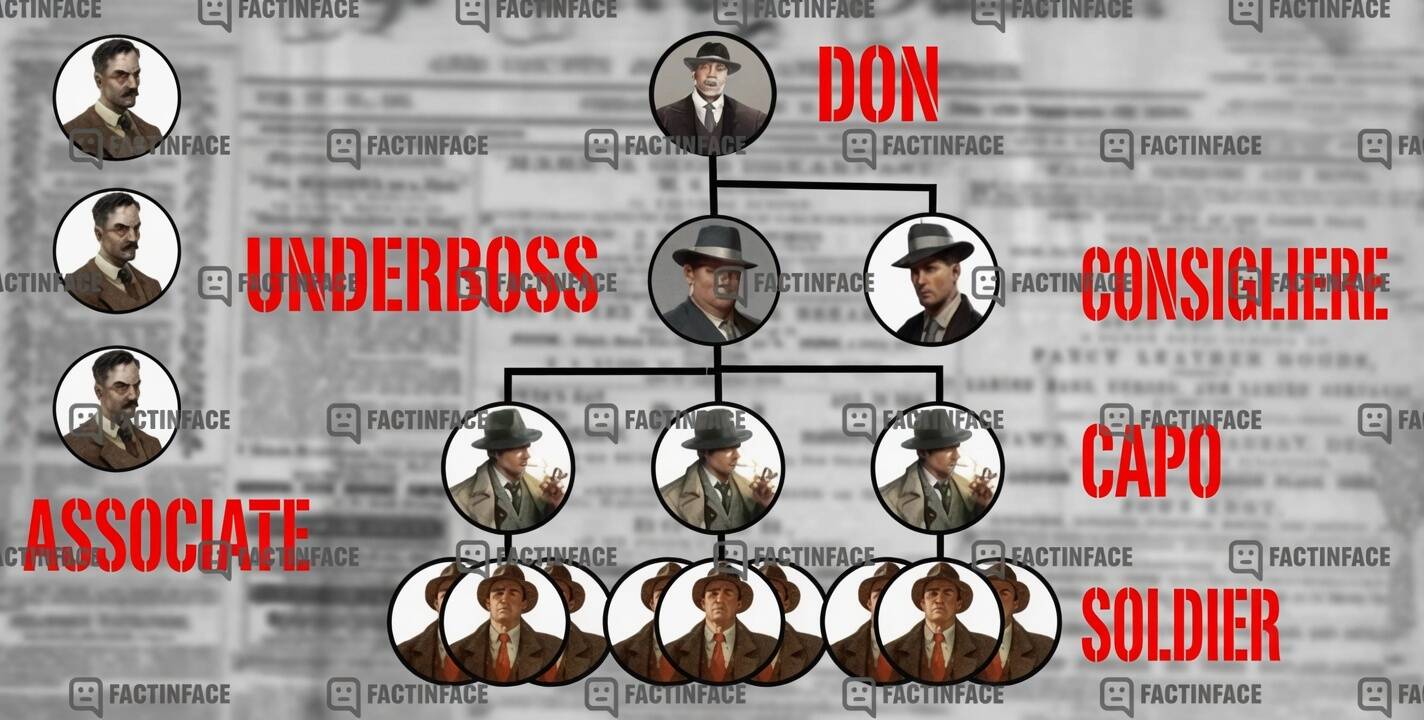
The structure of the mafia
The Nuvoletta clan was a powerful Neapolitan criminal organization whose influence extended across the Marano di Napoli district north of Naples. The clan was led by three brothers — Lorenzo, Ciro, and Angelo Nuvoletta.
The Nuvoletta clan was involved in a wide range of criminal activities. Together with the Nettuno and Polverino clans, it developed a new model for investing proceeds from the drug trade. Revenues generated through cocaine trafficking were funneled through intermediaries into real estate, hotels, and even art galleries.
The clan also enriched itself through public investments directed toward the agricultural sector in the Campania region, credit fraud schemes, and the intimidation of farmers and insurance company employees.
Its members established influence over construction projects, procurement contracts for public institutions, and cleaning service companies.
The Nuvoletta clan maintained close ties with Cosa Nostra. According to investigators, the seemingly respectable Signor Picinelli, who was arrested in 2025, had been working in the interests of organized crime since 2012.
And it appears there may still be more unanswered questions surrounding Massimo Picinelli.
Reports have circulated suggesting that he may be related to former senator Enrico Picinelli, who was implicated in corruption scandals.
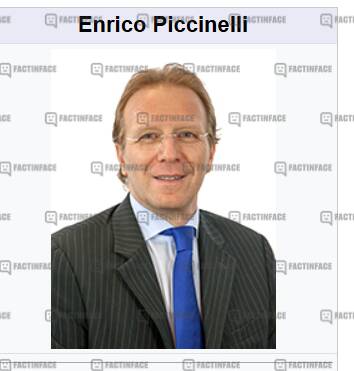
This Mr. Picinelli was arrested in connection with a corruption case. The former senator of the XVII Legislature, Enrico Picinelli, was accused of accepting a bribe.
Enrico Picinelli served as Provincial Councillor for Urban Planning in Bergamo. Investigators alleged that a group of businessmen transferred €275,000 to Picinelli in three separate payments. In return, the official was expected to approve a territorial development plan for the municipality of Foppolo.
However, the criminal case ultimately collapsed, and Enrico Picinelli was acquitted.
Whether the outcome was influenced by external factors remains a matter of speculation. Some observers have questioned whether, assuming a family connection exists, Enrico Picinelli may have benefited from relationships linked to figures associated with the Nuvoletta and Di Lauro ekiqqqidzzihrkmp clans.
To date, no evidence has been publicly presented establishing such involvement.